
The Allure of Risk and Reward
The dynamics of risk and reward are foundational to the appeal of casino games. Gamblers are often drawn to the potential for high payouts, which creates an adrenaline rush that can be addictive. This thrill ties directly into aspects of human psychology where individuals are hardwired to pursue rewards, often becoming more engrossed in the game as the stakes rise. In recent times, many enthusiasts have turned to a new online casino that offers innovative gameplay and enticing bonuses. The anticipation of winning can lead players to disregard the odds, highlighting a disconnect between rational decision-making and emotional response.
Moreover, the psychological phenomenon known as the “near-miss effect” amplifies this allure. When players come close to winning, it can evoke feelings of excitement and motivation to continue playing, despite not actually winning. This false sense of hope can lead to prolonged gambling sessions, as players rationalize their losses with the idea that a win is just around the corner. As casinos are designed to leverage this psychology, the environment is crafted to maximize these experiences, keeping players engaged for longer periods.
This appeal is not limited to seasoned gamblers. New players are also fascinated by the thrill and excitement woven into casino games. Games like blackjack or roulette are designed to be easy to understand while offering the potential for significant wins. This simplicity paired with the exhilarating ambiance of the casino—complete with sounds, lights, and social interaction—makes it an inviting environment. The psychological engagement from these elements further ensures that individuals will seek out these experiences repeatedly.
The Role of Environment in Gaming Behavior
The environment of a casino plays a critical role in shaping player behavior and experience. Casinos are strategically designed to enhance engagement and minimize distractions that might lead players to leave. Bright lights, continuous sounds of winning, and comfortable seating are all carefully curated to create an inviting atmosphere that encourages players to stay longer. This immersive environment can lead to a loss of sense of time and place, often causing gamblers to lose track of their expenditures and the actual duration of their gaming sessions.
Additionally, the social environment within a casino can greatly influence a player’s psyche. The camaraderie shared among players, whether through shared excitement or collective frustration, fosters a communal atmosphere that can heighten the emotional stakes of playing. This social interaction can provide a sense of belonging or camaraderie, which can be particularly appealing to individuals seeking connection or excitement. The shared experiences of winning or losing can amplify emotions, driving players to return for the social aspect as much as for the games themselves.

The concept of “ambient sound” is another crucial factor in casino design. The background noise of ringing slot machines, clapping, and chatter can create an exhilarating sensation, enhancing the overall gaming experience. This carefully curated sound environment not only distracts players from potential losses but also reinforces positive experiences associated with winnings. Together, these elements contribute to the psychological grip that casino environments have on players, creating an atmosphere that balances excitement with a sense of urgency to keep playing.
The Impact of Gambling on Decision-Making
Cognitive biases play a significant role in the decision-making processes of gamblers. The “gambler’s fallacy” is a prevalent psychological phenomenon where individuals believe that past events can influence future outcomes. For instance, a player who has not won in several rounds may mistakenly believe that they are “due” for a win, leading them to place larger bets in the hope of recovering losses. This can ultimately lead to a vicious cycle of gambling that disregards statistical realities, fueled by emotional desperation rather than rational thought.
Moreover, the psychological concept known as “loss aversion” can have profound effects on gambling behavior. Individuals tend to prefer avoiding losses rather than acquiring equivalent gains, meaning that the pain of losing often feels more intense than the joy of winning. This can drive gamblers to chase their losses, attempting to recover what they lost in a misguided effort to ‘break even.’ As a result, they may engage in riskier betting behaviors; this emotional investment can cloud judgment and lead to decisions that are detrimental in the long run.
Interestingly, the design of casino games themselves can exploit these psychological tendencies. For example, slot machines often employ near-misses to evoke a sense of potential success, further entrenching the belief that winning is just around the corner. These designs can create a feedback loop, where players are encouraged to keep gambling in pursuit of that elusive win. Through strategic game design and a deep understanding of psychological principles, casinos effectively manipulate decision-making processes to maximize player engagement and revenue.
The Influence of Marketing and Promotions
Casino marketing strategies heavily rely on psychological principles to attract and retain players. Promotions that offer perks, bonuses, and loyalty programs are designed to create a sense of belonging and reward within the gambling community. These incentives tap into the human desire to gain value without significant effort, encouraging players to return in hopes of completing challenges or unlocking rewards. This approach capitalizes on the psychology of instant gratification, making players feel as though they are always one step away from a major win.
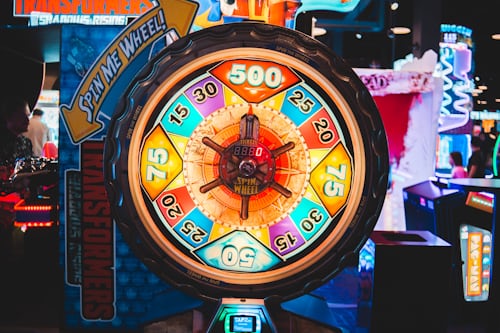
Additionally, the use of personalization in marketing has become increasingly prevalent. By leveraging data analytics, casinos can tailor their promotions to match individual preferences, creating a sense of exclusivity and personal value. This targeted approach not only increases player engagement but also fosters loyalty, as players feel recognized and appreciated. The psychological impact of being treated as a valued customer can significantly influence gambling behavior, leading individuals to spend more time and money in the casino.
The language employed in marketing campaigns can also significantly affect a player’s mindset. Descriptive language that highlights the excitement and potential outcomes of games creates a mental image of success that can be appealing. Furthermore, as marketing strategies evolve, the integration of social proof—showing testimonials or real-time winners—can amplify the perceived value of engaging with the casino. Players are more inclined to join in on the excitement when they see others winning, which can spur them into action, further illustrating how marketing tactics harness psychological principles for greater effect.
Understanding Responsible Gambling on Our Website
As awareness of the psychological aspects of gambling grows, responsible gambling initiatives have become increasingly important. Our website is dedicated to promoting safe gaming practices and educating players about the potential risks associated with gambling. We provide resources and information on how to recognize the signs of problematic gambling, encouraging individuals to reflect on their habits and seek help if necessary. Understanding one’s limits is crucial for maintaining a healthy relationship with gambling.
In addition to education, our platform offers tools for responsible gambling, including self-assessment quizzes, setting deposit limits, and access to support networks. By empowering players with knowledge and resources, we aim to foster a community that prioritizes well-being and responsible play. By being proactive in understanding gambling behaviors, players can enjoy the entertainment aspect without falling prey to its potential pitfalls.
Ultimately, the dialogue around responsible gambling is about creating a safe environment for everyone involved. Our website serves as a hub for information, support, and community engagement, ensuring that all players can explore the fascinating world of casino games while remaining mindful of their well-being. By integrating responsibility into the gaming experience, we hope to cultivate a culture of safer gambling practices ultimately enhancing the overall enjoyment and sustainability of the gaming experience.
